Summer Energy Savings: Cheap Fixes That Actually Work
If you’re looking for summer energy savings, the best upgrades are usually the simplest ones. Small improvements like sealing air leaks, improving airflow, and maintaining your HVAC system can lower cooling costs while making your home more comfortable during peak summer heat.
The good news is you don’t need a major renovation to see a noticeable difference.
What Causes High Summer Energy Bills?
Most high summer energy bills come from a combination of heat gain, inefficient cooling, and air escaping through small gaps around the home.
Common causes include:
- poor insulation
- dirty HVAC filters
- air leaks around windows and doors
- outdated lighting
- blocked airflow
- direct sunlight overheating rooms
In older homes across Cleveland and Columbus, these issues often become much more noticeable once temperatures rise.
Summer Energy by the Numbers
- Cooling accounts for a major portion of summer energy usage in many homes
- Small air leaks can significantly increase energy waste
- LED bulbs use far less energy than traditional incandescent lighting
- Dirty HVAC filters force systems to work harder and use more electricity
- Strategic shade can noticeably reduce indoor temperatures
Small changes across multiple areas of the home can create meaningful savings.
5 Cheap Fixes That Actually Reduce Summer Energy Costs
1. Replace Your HVAC Filter
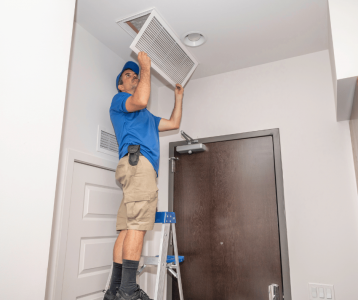
This is one of the easiest and most overlooked fixes.
Why it works:
- improves airflow
- helps systems run efficiently
- improves indoor air quality
Most filters should be checked every 1–3 months.
2. Seal Air Leaks Around Windows and Doors
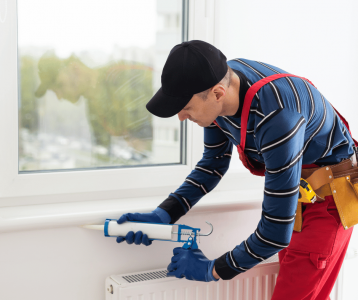
Small gaps let cool air escape and hot air enter.
Easy fixes:
- weather stripping
- caulking
- door sweeps
These upgrades are inexpensive but highly effective.
3. Use Ceiling Fans Correctly
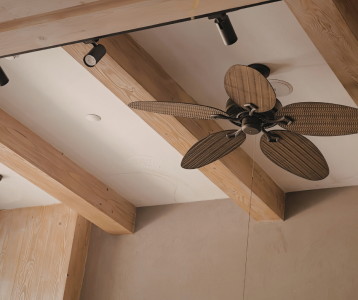
Fans don’t lower temperature, but they help rooms feel cooler by improving airflow.
Summer tip:
Ceiling fans should rotate counterclockwise during warmer months.
This simple adjustment can improve comfort without lowering the thermostat as much.
4. Add Shade Outside the Home

Direct sunlight dramatically increases indoor temperatures.
Best options:
- pergolas
- shade trees
- outdoor curtains
- window shades
Thoughtful landscaping and shade structures can reduce heat naturally.
5. Upgrade to LED Lighting

Traditional bulbs generate unnecessary heat and use more energy.
Many energy-efficient lighting upgrades reduce electricity use while also helping rooms stay cooler.
Which Home Upgrades Save the Most Energy?
The home upgrades that typically create the biggest energy savings are:
- air sealing
- insulation improvements
- HVAC maintenance
- efficient lighting
- strategic shade and landscaping
Most homeowners see the best results when multiple small improvements work together.
DIY vs Hiring a Pro
DIY-Friendly Upgrades
- replacing filters
- sealing gaps
- changing bulbs
- installing simple weather stripping
Best Left to a Pro
- insulation upgrades
- HVAC repairs
- electrical improvements
- large ventilation issues
If you’re unsure where to start, Pigybak’s DIY vs. Pro contractor guide can help.
How Landscaping Affects Summer Cooling
Many homeowners underestimate how much outdoor conditions affect indoor comfort.
Strategic landscaping can:
- reduce direct sunlight
- cool surrounding areas
- improve airflow around the home
These approaches also support green infrastructure solutions that help neighborhoods handle heat and stormwater more effectively.
When Should You Prepare for Summer Heat?
The best time to tackle energy-saving upgrades is:
- late spring
- before peak heat arrives
- before HVAC systems are under maximum strain
Waiting until the hottest part of summer often means:
- higher energy bills
- longer contractor wait times
- more emergency repairs
Small Fixes Add Up Fast
Summer energy savings don’t usually come from one massive project. They come from small improvements that work together to make your home more efficient and comfortable.
A few practical upgrades now can help you stay cooler while keeping energy costs under control all season long.
Most homeowners already have a handful of maintenance projects on their list. Instead of handling them one at a time, it often makes sense to group upgrades together. Tools like Pigybak help homeowners connect with local pros already working nearby.