March 26, 2026 | About Us, Features, Sustainable Home Tips


Pigybak characters welcoming new homeowners with a simple move‑in starting point
If you’re looking for a new homeowner checklist, the most important steps focus on safety, organization, and setting up simple routines early. Taking care of a few essentials right away can help you avoid costly home repairs and settle in with less stress.
Buying a home is one of the biggest milestones in adult life. For new homeowners, the moment the keys land in your hand often comes with a mix of excitement, responsibility, and a long to-do list. The first few weeks are less about perfection and more about building routines, organizing your space, and making the house feel like your own.
We’re thrilled to welcome Emma Croft, an expert from GetGardening.info, as a guest writer on the Green Home Blog as she discusses moving into your very own home. With years of experience in sustainable gardening and eco-friendly living, Emma is passionate about helping people create thriving, environmentally conscious spaces. Today, Emma shares her insights on how to make your move to your new home smooth and breaks down when to plan those home improvement projects.

Key and lock symbolizing essential first‑step security tasks for new homeowners
These steps help transform a new house into a comfortable, functional home without unnecessary stress.
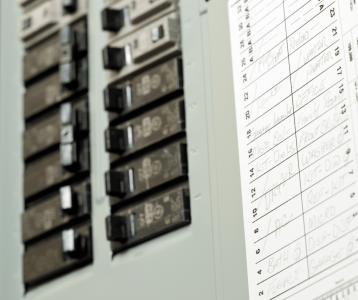
Clearly labeled household circuits to help new homeowners locate and manage essential electrical systems
When you first move in, the most important task is ensuring your home is safe and functional. Taking care of foundational items early prevents headaches later.
Start here:
These are simple steps, but they give you immediate control over your home.

Clearly labeled boxes showing organized unpacking steps for new homeowners settling into their space
It’s tempting to try to unpack everything right away. Most homeowners find that approach overwhelming.
A more practical strategy:
Taking your time helps you set up your home in a way that actually works for how you live.
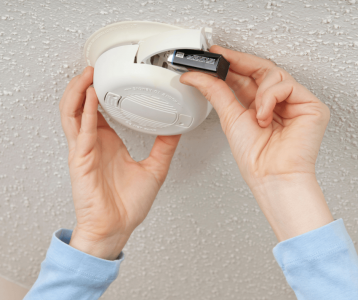
Demonstrating essential safety checks like updating smoke detector batteries during early move‑in tasks
Owning a home comes with ongoing responsibility, but it does not need to feel complicated.
A basic routine can prevent expensive repairs:
Small habits like these protect your home long term.
| Task | Why It Matters | When |
|---|---|---|
| Change locks | Improves security | Immediately |
| Transfer utilities | Avoid service gaps | Before move-in |
| Update mailing address | Prevent missed bills | First week |
| Meet neighbors | Build community | First month |
| Inspect appliances | Catch early issues | First month |
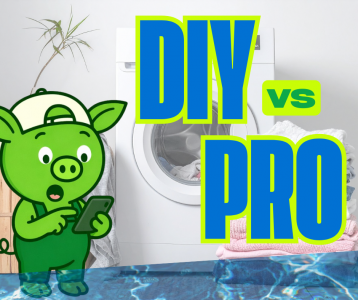
Oinkers evaluating whether a water‑related home issue should be handled DIY or by a pro
Not everything needs to be done yourself. A good rule of thumb:
DIY:
Bring in help:
Many homeowners find it easier to group small projects together instead of tackling them one by one. That’s where having access to reliable local help can make a big difference.
Still have questions? Check out Pigybak’s Green Home Blog that breaks down DIY vs. Pro even further.
If you’re navigating homeownership for the first time, the U.S. Department of Housing and Urban Development offers practical tools, budgeting guides, and homeowner education resources. These materials can help you understand maintenance, financing, and long-term planning.
Settling into a new home is a process, not a race. By focusing on safety, organization, and a few simple routines, homeowners can create a comfortable space while avoiding unnecessary stress.
Over time, small improvements and thoughtful upgrades turn a house into something that truly feels like home.
If your to-do list keeps growing, you’re not alone. Most homeowners end up with a handful of small projects that are easier to tackle together than one at a time. Tools like Pigybak help simplify that process by making it easier to find and coordinate local help when you need it.

Focus on safety and essential setup like changing locks, testing detectors, and confirming utilities.
Most homeowners say it takes a few months. Small routines and gradual progress help.
It’s usually better to live in the home first before making major changes.
A basic toolkit should include a hammer, screwdrivers, wrench, drill, measuring tape, and level.