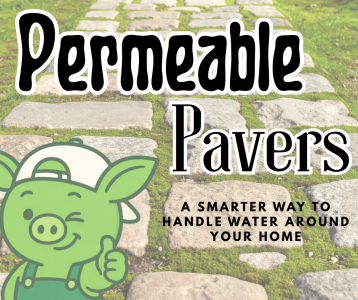
Permeable paver system demonstrating how gaps between stones help manage water around the home
Permeable Pavers Driveway: A Smarter Way to Handle Water Around Your Home
If you’re considering a permeable pavers driveway, you’re likely dealing with standing water, drainage issues, or runoff that’s starting to cause real problems. Permeable pavers allow water to pass through the surface instead of pooling or flooding, helping protect your driveway, patio, and even your foundation.
For homeowners, this is one of those upgrades that quietly solves a lot of headaches at once.

Why This Matters Right Now
Across a lot of neighborhoods, especially in places like Cleveland and Columbus, heavier rain and older drainage systems are creating a perfect storm.
What that looks like in real life:
- water pooling at the end of your driveway
- soggy patches in the yard that never dry
- runoff pushing toward your foundation
- cracked concrete from freeze-thaw cycles
A traditional driveway increases stormwater runoff, pushing water toward your yard, street, or foundation. A permeable system actually manages it on-site.
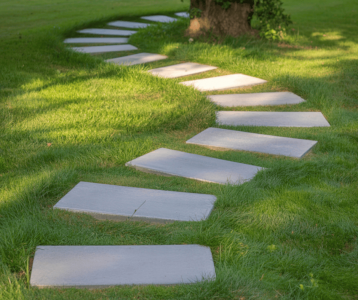
What Are Permeable Pavers?
Permeable pavers are designed with small gaps or porous materials that let water pass through into a layered base below. These systems are part of broader green infrastructure solutions designed to manage water more sustainably.
Instead of runoff, water:
- filters through the surface
- moves into a gravel base
- slowly absorbs into the ground
Think of it as turning your driveway or patio into a built-in drainage system.
Top Benefits for Homeowners
1. Prevents Standing Water
No more puddles sitting for days after a storm.
2. Protects Your Foundation
Redirecting water away from your home reduces long-term risk.
3. Reduces Ice in Winter
Less surface water means less freezing and fewer slippery spots.
4. Improves Yard Drainage
Works especially well when paired with grading or downspout extensions.
5. Adds Curb Appeal
They look significantly better than standard concrete or asphalt.

Best Places to Use Permeable Pavers
You don’t have to redo everything. Start where water causes the most problems.
High-impact areas:
- driveways
- patios
- walkways
- around downspouts
- side yards with poor drainage
Permeable Pavers vs Traditional Concrete
| Feature | Permeable Pavers | Concrete |
|---|---|---|
| Water drainage | Absorbs water | Causes runoff |
| Cracking risk | Lower | Higher over time |
| Maintenance | Occasional cleaning | Repairs + sealing |
| Cost upfront | Higher | Lower |
| Long-term value | Higher | Moderate |
Concrete is cheaper upfront. Permeable pavers win long-term, especially if you’re already dealing with drainage issues.
DIY vs Hiring a Pro
Here’s where most homeowners get tripped up.
DIY (Small Areas Only)
- garden paths
- small patios
- decorative sections
Hire a Pro (Recommended for Driveways)
- proper excavation depth
- correct gravel base layering
- grading and slope accuracy
- long-term durability
If the base isn’t done right, the system won’t drain properly. That’s the whole point. If you’re deciding where to draw the line, this guide on DIY vs. Pro contractors breaks it down clearly.
Cost Expectations
Typical ranges:
- Patios: $15 to $25 per square foot
- Driveways: $20 to $40 per square foot
Costs vary based on:
- excavation needed
- soil conditions
- size of project
- material type
While it’s more expensive upfront, it can reduce:
- drainage fixes
- foundation repairs
- future resurfacing
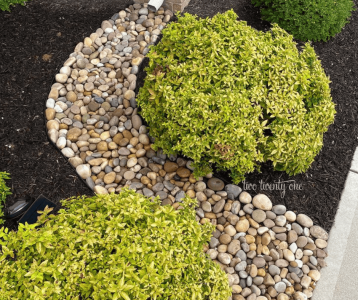
How This Fits Into a Smarter Home Strategy
Permeable pavers work best when paired with:
- downspout extensions
- proper grading
- landscaping drainage
- rain gardens
This is where homeowners start thinking less about single fixes and more about systems that work together.
Community Angle: Why Neighborhoods Are Moving This Way
Cities are starting to encourage permeable surfaces because they reduce strain on stormwater systems.
In areas with older infrastructure, solutions like this:
- reduce flooding across blocks
- improve water quality
- make neighborhoods more resilient
When multiple homes adopt it, the impact compounds.
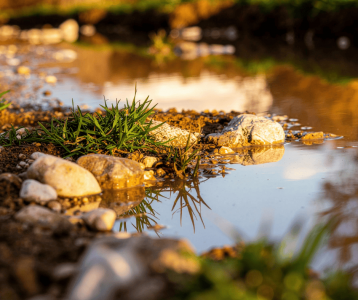
When It Makes the Most Sense
You’ll get the most value if:
- you already have standing water issues
- your driveway is due for replacement
- your patio floods or shifts
- you’re doing landscaping anyway
This is one of those upgrades that’s easiest to justify when something already needs fixing.
Turning a Drainage Problem Into a Long-Term Fix
A permeable pavers driveway is not just a design upgrade. It’s a practical way to manage water, protect your home, and avoid ongoing repairs.
If you’re already dealing with drainage issues, this is one of the few solutions that tackles the root of the problem instead of just redirecting it.
Pigybak It!
If your to-do list keeps growing, you’re not alone. Most homeowners end up with a handful of small projects that are easier to tackle together than one at a time. Tools like Pigybak help simplify that process by making it easier to find and coordinate local help when you need it.